


If the immune system protects our body from diseases, what protects our immune system?
Answer: Glutathione

Who wouldn't like to get their hands on a naturally occurring substance that acts as an antioxidant, an immune system booster, and a detoxifier? Something that can help your body repair damage caused by stress, pollution, radiation, infection, drugs, poor diet, aging, injury, trauma, and burns?
A handful of researchers are saying the antioxidant glutathione can do all that and maybe more. But can you believe such sweeping claims? What's the evidence to back them up?
What is Glutathione
Glutathione (or GSH) is the body’s own Master Antioxidant discovered way back in 1889. However, it was only about 30 years ago that scientists began to understand its functions and discovered how to raise its levels.
Glutathione has been clinically researched and proven to optimize your immune system, maximize the function of antioxidants, support your detoxification process at the cellular level, increase your energy levels and increase your strength and endurance.
Glutathione is fundamental to our physical well-being and is the primary protector of our cells. It recycles and helps restore other anti-oxidants, earning it the title of Master Antioxidant. It is the first line of defense against our cells’ most violent attackers, namely free radicals, chemical toxins, radiation and heavy metals that enter our bodies through the environment and the foods and liquids we consume. As the subject of over 100,000 peer-reviewed studies cited in PubMed.com, the importance of glutathione cannot be understated.
Where can i get GSH?
GSH is already within you. It is part of every human cell, and has been protecting your cells and organs since you were born.
Unfortunately, our glutathione levels are depleted as we age. The older we get, the harder it is to maintain optimum glutathione levels. This means our cells don’t work as well and our overall health and wellness pay the price.
What happens if a person has low GSH?
People lack glutathione for a number of different reasons. This is called Glutathione Deficiency. Age is probably the most common way that people lose glutathione levels. When people are young and vibrant they have a lot of glutathione within their system. As they start to age they lose about 10% per decade after age 20. So, by the time a person is in their 70’s they will lose about 50% of their ability to produce glutathione.
People also lose glutathione due to lifestyle choices. People who consume a poor diet usually has glutathione deficiencies. When a person does not take in the right vitamins and minerals it impedes their glutathione production. Strenuous exercise, anxiety, depression, chronic stress, light pollution and environmental pollution are factors that lead to glutathione deficiency. Excessive smoking, drinking and doing drugs can all lead to this condition.
When a person’s body begins to lack glutathione it will create a number of different problems. Here is a brief list of some of the negative issues that a person’s body encounters when they no longer produce enough glutathione: Having glutathione deficiency can lead to several undesirable conditions in the body. Several effects of this deficiency include the following.
-
Weakened cell membranes
-
Inability for the immune system to repair DNA
-
Chances of reduced supply of nutrients and oxygen
to several cells in the body
-
The accumulation of heavy metals and extra toxins
in the body
-
An increase in oxidative stress
-
Toxins and heavy metals within the body will increase
-
Cells will begin to mutate
-
Cell membranes will become weaker
-
Less oxygen in the cell leads to early cell death
.jpg)
Isn't
Glutathione a skin whitener?

Synthetic GSH has been marketed as a skin whitening product because GSH has antimelanogenic properties that lightens the skin.
Among the most popular GSH treatment is thru Intravenous, but there is no evidence to prove its efficacy. In fact, the adverse effects caused by intravenous glutathione have led the Food and Drug Administration of Philippines to issue a public warning condemning its use for off-label indications such as skin lightening.
Source: PFDA
Diseases associated with low GSH

Physicians dealing with chronic illness have observed that glutathione deficiency is found in nearly all very ill patients. This is true for people of all ages. An analysis related to glutathione in autism disorders shows that dysfunctional glutathione production play a role in these increasingly common problems. Children with autism are predisposed to low glutathione, and they cannot detoxify normally.
Glutathione deficiency is also associated with Parkinson's disease. Alcoholics have low glutathione levels, and so do people with Alzheimer's disease. Cigarette smoking is known to deplete glutathione. Glutathione is low in the brain of individuals with chronic fatigue syndrome.
Other conditions associated with low glutathione include asthma, cancer, neuro-degenerative diseases, acquired immune deficiency syndrome (AIDS), aging, cystic fibrosis, liver and heart disease, ischemia, stroke, seizure, sickle cell anemia and metabolic diseases such as diabetes and obesity.

How can we increase our glutathione levels?
You can naturally increase your glutathione levels by consuming foods that are rich with glutathione components. Foods like garlic, strawberries, squash, avocado, spinach, grapefruit, asparagus, peaches, melons and meats. However, if a person wants to improve their glutathione levels naturally they must consume these foods on a consistent basis.
Other methods include whey protein, administering an IV with glutathione solution, taking a special glutathione supplement, taking glutathione elements such as selenium and alpha lipoic acids and consuming foods rich in glutathione components. Components contained inside of glutathione includes amino acids, cysteine, glutamine and glycine.

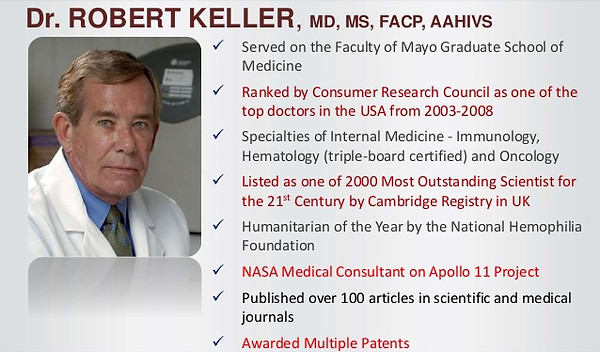

World renowned scientists in glutathione research
The safest and most effective way to prevent glutathione deficiency is taking a supplement
Of all the products in the market that promises to increase glutathione levels, there is one company that doctors and research scientists trust.


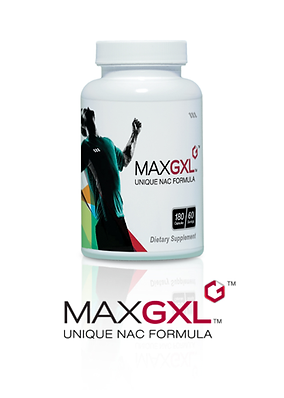


MAX GLUTATHIONE ENHANCING PRODUCTS

REAL LIFE TESTIMONIES
Hear these real-life testimonies from people who have experienced health improvement since taking Max products.
Disclaimer: These videos are not a paid advertisement by Max International.
All Videos
All Videos

Dialysis patient 2

Breast Cancer stage 4 Testimony
